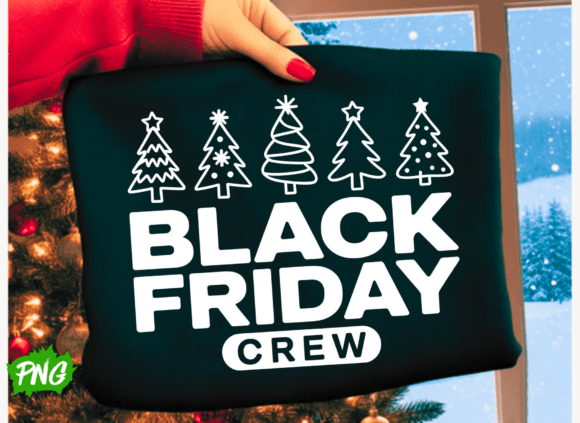
Christmas Black Friday Crew,Winter Tree Illustrations
In the world of digital publishing, visual assets are not merely decorative; they are functional tools that dictate user behavior, establish brand authority, and guide the reader’s eye through complex information architectures. As a designer who has spent years optimizing content for both aesthetic appeal and conversion metrics, I approach every new graphic design asset with a critical eye. We recently evaluated the Christmas Black Friday Crew,Winter Tree collection to determine its viability for real-world editorial and commercial use. This review breaks down how this specific set of illustrations can integrate into modern blog graphics, website headers, and social media graphics without compromising load times or visual hierarchy.
The First Impression: Editorial Mood and Visual Identity
When you first load the Christmas Black Friday Crew,Winter Tree files, the immediate takeaway is a distinct blend of seasonal warmth and commercial urgency. The artwork strikes a balance between playful charm and professional polish, making it suitable for a wide array of niches. It does not feel overly childish or strictly corporate; instead, it occupies a sweet spot that resonates with lifestyle bloggers, small business owners, and creative entrepreneurs.
The visual mood is undeniably festive yet structured. For content creators, this translates to an immediate sense of trust. Readers subconsciously associate high-quality, cohesive illustrations with well-maintained websites and reliable information. If your site feels disjointed, bounce rates increase. By adopting a consistent visual language like this, you signal to your audience that your content is curated and valuable. The color palette appears designed to pop against standard white backgrounds, which is crucial for modern design standards where clarity and speed are paramount.
Integrating Into Real Publishing Workflows
The true test of any design asset is its versatility across different formats. In our testing workflow, we applied these illustrations to various common publishing scenarios to see how they held up under pressure.
- Pinterest Pins and Social Media Graphics: The vertical composition potential of these illustrations makes them ideal for Pinterest pins. The bold elements stand out in crowded feeds, increasing click-through potential. When paired with strong headline text, these visuals can significantly boost organic traffic from search engines and social platforms.
- Blog Featured Images and Article Headers: Using these as hero images helps establish context immediately. Whether you are writing about holiday gift guides, winter fashion trends, or end-of-year sales strategies, the imagery provides an instant thematic anchor. This supports better category recognition and keeps readers engaged longer.
- Digital Products and Lead Magnets: For those creating downloadable resources, such as eBooks, worksheets, or printables, these illustrations add perceived value. A digital guide covered with generic stock photos looks free; one wrapped in custom, thematic creative design looks premium. This is essential for affiliate marketing pages where you need to justify the quality of your recommendations.
- Newsletter Banners: Email open rates are driven by subject lines, but engagement is driven by layout. Inserting these illustrations into newsletter headers breaks up text blocks and adds a human touch. It transforms a dry update into a welcoming experience, reinforcing your brand identity every time an email lands in an inbox.
Supporting Content Performance and Trust
Visual hierarchy is the backbone of effective web design. The Christmas Black Friday Crew,Winter Tree assets help create a clear path for the reader’s eye. By using these illustrations strategically, you can guide users toward calls-to-action (CTAs) without being aggressive. For instance, placing a subtle winter tree graphic near a "Shop Now" button can subtly reinforce the seasonal offer without distracting from the primary message.
Furthermore, consistency builds credibility. If your website uses a mix of low-resolution clip art and high-end photography, the brand feels fragmented. By committing to a specific style of Illustrations, you create a unified web design ecosystem. This uniformity improves reader trust because the brain processes familiar patterns more easily. When a visitor sees that your blog posts, social previews, and product pages all share the same visual DNA, they perceive your entire operation as more professional and established.
Strategic Placement for Maximum Impact
To get the most out of these assets, consider where they fit best within your content strategy:
- Hero Images: Use full-width versions for top-of-funnel content to capture attention.
- Article Thumbnails: Crop tightly to highlight key elements for grid layouts.
- Editorial Accents: Use smaller icons or borders to separate sections within long-form articles.
- Category Visuals: Assign specific variations to different topics (e.g., trees for nature posts, crew elements for team-focused content).
- Social Media Previews: Ensure the central focal point remains visible when cropped for platform-specific dimensions.
Cautions and Technical Considerations
While these illustrations are versatile, they are not a one-size-fits-all solution. There are contexts where they may detract from your message rather than enhance it.
Avoid using these assets on serious professional niches such as legal advice, medical reporting, or corporate finance. The festive tone may undermine the gravity of the information. Similarly, be cautious with text-heavy blog images. If the illustration is too busy, it will compete with your copy, reducing readability. Always ensure there is sufficient negative space around the text.
On mobile devices, detail loss is a common issue. Test your thumbnails carefully. If the intricate details of the "Crew" elements become muddy on a small screen, simplify the crop or choose a cleaner variation from the set. Additionally, check contrast ratios. Darker background colors may require lighter outlines on the illustrations to maintain visibility.
Practical Publisher Notes for Implementation
Before deploying these assets to your live site, follow this checklist to ensure technical and aesthetic success:
- Responsive Testing: View the graphics on desktop, tablet, and mobile screens. Ensure they scale correctly without pixelation.
- Font Pairing: Experiment with typography. These illustrations pair well with clean sans-serif fonts for a modern look, or elegant serif fonts for a traditional editorial feel. Avoid script or handwritten fonts unless you are aiming for a very specific, casual aesthetic.
- File Optimization: Large image files slow down page load speeds, which hurts SEO. Compress your images properly using tools like TinyPNG or Squoosh before uploading. Aim for WebP format if your platform supports it.
- Licensing Verification: Confirm the commercial license terms. If you are using these on monetized websites, affiliate pages, or paid content products, ensure you have the right to use them commercially. Some marketplaces restrict usage on templates sold to others.
- Black and White Preview: Convert the images to grayscale to check for contrast issues. If the design relies solely on color to convey meaning, it may fail for visually impaired users or in print.
In conclusion, the Christmas Black Friday Crew,Winter Tree collection offers a robust toolkit for publishers looking to elevate their visual presence during the holiday season. By integrating these design assets thoughtfully, you can create a more engaging, trustworthy, and professional online experience. Whether you are updating your Canva template library or refreshing your content marketing visuals, this set provides the creative foundation needed to connect with your audience effectively.