Retro Christmas Toy Clipart Illustrations Review
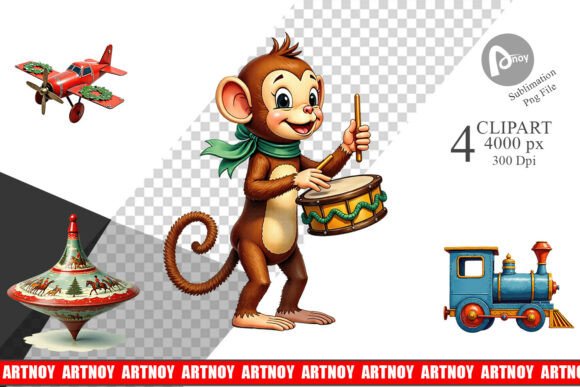
As a brand designer who has spent years helping small businesses and creative entrepreneurs build visual identities that actually convert, I look at every design asset with a critical eye. It is not just about whether an image looks "cute" or "festive." It is about whether it supports your brand story, fits seamlessly into your marketing workflow, and helps you stand out in a crowded digital marketplace. Recently, I evaluated Retro Christmas Toy Clipart to see how it performs as a strategic graphic design asset for seasonal campaigns, social media graphics, and product branding.
The goal was simple: determine if this illustration style could elevate a real-world marketing project without looking cluttered or unprofessional. Below is my honest review of how these Illustrations function in practical brand communication scenarios.
First Impressions and Emotional Tone
When you first load the Retro Christmas Toy Clipart bundle, the immediate takeaway is its nostalgic warmth. In a sea of hyper-modern, minimalist, or overly glossy holiday designs, this collection offers a handcrafted, vintage charm that feels authentic. For brand owners targeting audiences who value tradition, craftsmanship, and emotional connection, this mood is invaluable.
The aesthetic leans heavily into mid-century modern influences mixed with classic toy imagery. This creates a specific emotional tone that is cozy, playful, yet sophisticated enough for premium branding. It does not feel cheap or generic. Instead, it feels like a curated piece of history. This distinction is crucial for small business branding. When your audience sees visuals that evoke genuine nostalgia, they are more likely to pause their scroll and engage with your content. It builds audience trust by signaling that your brand cares about quality and detail, rather than just churning out generic templates.
Real-World Application in Marketing Campaigns
To test the versatility of these assets, imagine a scenario where a handmade candle company is launching a limited-edition holiday gift set. They need to refresh their entire visual presence for December. Here is how Retro Christmas Toy Clipart can integrate into that workflow:
- Social Media Graphics: These illustrations are perfect for Instagram posts and Pinterest pins. The bold lines and retro color palette (even when converted to monochrome) ensure high visibility on mobile screens. You can use them as decorative accents around product photos or as standalone hero images for festive announcements.
- Packaging Design: For physical products, these cliparts work beautifully as labels, stickers, or packaging inserts. They add a tactile, personal touch that customers love to share on social media, effectively turning your packaging into free marketing.
- Email Banners: A well-placed retro toy graphic can break up text-heavy emails and draw the eye to your call-to-action buttons. It adds personality to your content marketing efforts without overwhelming the message.
- Digital Ads: Whether for Facebook ads or Google display campaigns, the distinct style helps your ad stand out against competitors using stock photography. It creates a memorable visual hierarchy that guides the viewer’s attention directly to your offer.
This flexibility makes the asset a powerful tool for visual consistency. By using the same illustrative style across all touchpoints—from your website headers to your lead magnets—you create a cohesive brand identity that reinforces recognition every time a customer interacts with your business.
Supporting Core Marketing Goals
Beyond aesthetics, good design serves a functional purpose. Using Retro Christmas Toy Clipart in your campaigns can directly support several key marketing goals:
- Stronger First Impression: High-quality, thematic illustrations immediately communicate the vibe of your brand. A retro toy theme suggests fun, creativity, and a break from the mundane, which is exactly what consumers want during the holidays.
- Better Product Presentation: When paired with clean typography, these illustrations frame your products effectively. They act as visual anchors that prevent layouts from feeling empty or disjointed.
- Improved Audience Trust: Professional, consistent visuals signal professionalism. Even if you are a solopreneur, using polished design assets like these elevates your perceived value.
- More Memorable Campaign Visuals: In a saturated market, uniqueness wins. The specific retro style of these toys ensures your campaign is remembered long after the holiday season ends.
Where This Asset Shines Best
While versatile, some applications are stronger than others. To get the most ROI from this creative design, focus on these areas:
- Hero Graphics and Campaign Headers: Use large-scale versions of the toys to create impact on landing pages or blog posts.
- Branded Templates: If you sell Canva templates or digital planners, incorporating these cliparts adds significant value for your buyers.
- Promotional Banners: Ideal for announcing sales, new launches, or holiday events.
- Decorative Brand Elements: Use smaller icons from the set as bullet points, dividers, or corner accents in your editorial design.
Areas Requiring Careful Execution
No asset is a magic bullet. There are situations where Retro Christmas Toy Clipart might not be the best choice:
- Formal Corporate Branding: If your brand voice is strictly serious, legal, or financial, this playful style may clash with your desired professional image.
- Dense Information Layouts: Avoid placing these illustrations in areas with heavy text. They need breathing room to be appreciated.
- Small Mobile Graphics: While they scale well, intricate details may get lost in very small favicon-sized applications. Always test readability.
- Low-Contrast Backgrounds: Ensure your background colors provide enough contrast so the illustrations remain visible and do not blend into the canvas.
Practical Designer Notes for Implementation
Before dropping these assets into your final designs, follow this checklist to ensure professional results:
- Test with Your Palette: Check how the default colors interact with your brand’s primary and secondary colors. You may need to adjust hues to match your existing identity.
- Check Black and White Usage: Convert the PNG design to grayscale to ensure the shapes hold up without color reliance. This is vital for print materials like black-and-white newsletters or embossed packaging.
- Font Pairing: Experiment with different typefaces. These retro toys pair exceptionally well with serif fonts for a classic look, sans serif fonts for modern clarity, and handwritten fonts for a personal touch. Avoid overly ornate scripts that compete with the illustration details.
- Review Spacing and Balance: Pay close attention to negative space. Let the illustrations breathe. Cluttered designs reduce engagement.
- Confirm Licensing: Always review the commercial license. Ensure you are permitted to use the SVG design or PNG design in paid campaigns, client work, and merchandise without additional fees.
In conclusion, Retro Christmas Toy Clipart is a robust addition to any designer’s toolkit. It bridges the gap between nostalgic charm and modern marketing needs. For content creators, bloggers, and small business owners looking to inject personality and professionalism into their holiday strategy, this asset delivers both aesthetic appeal and functional versatility. It is not just a picture; it is a strategic component of your brand identity.