Skeleton Santa with Christmas Tree Embroidery Review
As a designer who spends half her life staring at stitch charts and the other half worrying about whether a client’s sweatshirt will survive its first wash, I don’t just look for "cute" when evaluating an embroidery design. I look for viability. I look for how a design translates from a digital screen to a physical object that people actually wear or use. When I pulled up Skeleton Santa with Christmas Tree, my first thought wasn't just about the holiday theme—it was about execution. This falls squarely into the Illustrations category, which means it relies heavily on line work, shape definition, and character rather than just filling space with color. Here is my practical breakdown of how this design holds up in the real world of handmade products and small business merchandise.
The First Impression: Mood and Visual Personality
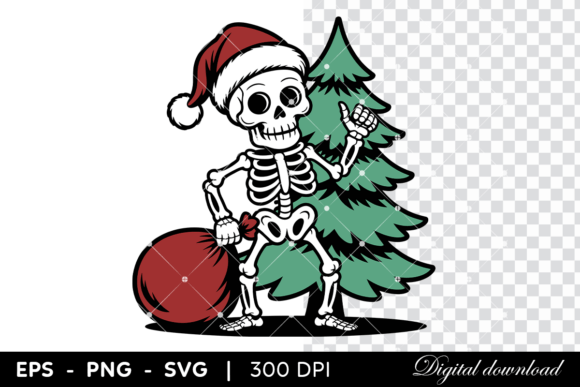
Skeleton Santa with Christmas Tree strikes a balance between spooky whimsy and traditional holiday cheer. It isn’t trying too hard to be scary, nor is it overly saccharine. The visual personality feels playful yet slightly edgy, which is exactly what resonates with modern crafters and Etsy sellers looking to stand out in a saturated market. The layout suggests a central focal point, likely featuring the skeleton figure interacting with the tree, which gives it a natural anchor for placement on garments or accessories.
From a design perspective, the contrast between the skeletal form and the organic shapes of the Christmas tree creates a compelling silhouette. This is crucial for embroidery because if the shapes merge too much during stitching, you lose the character. In this case, the distinct outlines suggest that the design has been crafted with clarity in mind, making it easier for the machine to distinguish between different elements without muddying the details.
Real-World Application: Where This Design Shines
I see Skeleton Santa with Christmas Tree performing exceptionally well in specific niches where humor and seasonal flair intersect. Let’s talk about actual product potential. For a custom embroidered tote bag, this design would pop beautifully. The narrative quality of the image tells a story instantly, which drives engagement on platforms like Instagram or Pinterest. It’s not just a decoration; it’s a conversation starter.
For sweatshirt embroidery, this is a strong contender. The winter season is peak time for apparel sales, and a skeleton theme offers a unique twist on standard Santa motifs. Imagine this stitched onto a charcoal gray or black crewneck. The dark background would allow lighter thread colors to shine, while the skeleton’s white bones would create a striking high-contrast look. It fits perfectly into the growing trend of alternative holiday fashion.
It also works wonderfully as an embroidered patch. If you are selling detachable patches for denim jackets or beanies, this design has the right level of detail to hold its own as a standalone accessory. The circular or square framing often used in patches suits this illustration style well, allowing the viewer to focus entirely on the character and the tree without distraction.
Another unexpected but brilliant application is for baby items. There is a massive market for "spooky cute" baby onesies and burp cloths. Parents love personalized gifts that break away from the typical pastel palettes. Skeleton Santa with Christmas Tree could easily become a bestseller in the baby embroidery niche, especially when paired with soft, neutral fabrics.
Technical Considerations and Stitching Challenges
However, no design is perfect, and as a reviewer, I have to point out where caution is needed. Because this is an illustration-style design, it likely contains fine lines and smaller details. This brings us to the importance of stitch density. If the design attempts to render every tiny bone or branch with dense fill stitches, it may become stiff and uncomfortable to wear. You want a balance where the satin stitch outlines provide structure without overwhelming the fabric.
I strongly advise testing this design on scrap fabric before committing to a final product. Pay close attention to how the running stitch handles any thin connecting threads. If these areas are too sparse, they may pucker or break during washing. Conversely, if they are too dense, the fabric might tear. Checking the hoop size compatibility is also essential; ensure the design fits comfortably within your most commonly used hoops, typically 4x4 or 5x7 inches, to maximize efficiency.
Fabric choice plays a huge role here. While this design looks great on sturdy cotton canvas or fleece, it might struggle on highly textured or stretchy fabrics like ribbed knits unless you use the proper stabilizer. For stretchy materials, a cut-away stabilizer is non-negotiable to prevent distortion. On dark fabrics, you’ll need to carefully select your thread colors to ensure the skeleton doesn’t disappear into the background. White or silver threads will work best, but test them against your specific fabric shade first.
Placement and Product Value
When thinking about custom apparel, placement can make or break the aesthetic. Centered chest placement is classic, but for a design this illustrative, consider a left-chest pocket placement for a subtle, boutique feel. Alternatively, placing it on the back of a hoodie can turn it into a statement piece. This versatility adds value to your handmade product offerings, giving customers options that feel curated rather than mass-produced.
For kitchen towels or tea towels, this design brings a festive touch to holiday entertaining. The vertical orientation of many skeleton illustrations works well on rectangular linens, creating a charming centerpiece for a kitchen table. It also serves as excellent material for digital product previews; mockups showing this design on various backgrounds can help Etsy sellers visualize the end result and attract buyers who appreciate detailed artistry.
Final Verdict for Craft Businesses
Skeleton Santa with Christmas Tree is a versatile, character-driven design that bridges the gap between holiday tradition and modern alternative aesthetics. It is particularly effective for commercial embroidery projects targeting audiences who enjoy humor, gothic charm, or unique seasonal decor. Its strength lies in its clear visual storytelling and adaptability across multiple product types, from tote bag design applications to nursery decor.
To get the best results, always prioritize testing. Verify the licensing terms before listing finished goods for sale, and ensure your file formats are compatible with your specific machine. By paying attention to thread contrast, stabilizer support, and fabric texture, you can transform this digital asset into a professional, high-quality finished product that customers will love. Whether you are a seasoned pro or a hobbyist maker, this design offers a fun, profitable opportunity to add some spooky spirit to your holiday collection.