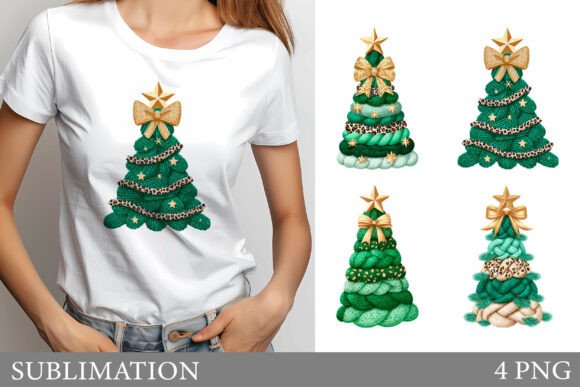
Christmas Tree T-Shirt Sublimation Review
As a designer who spends more time looking at stitch density charts than actual trees during the holidays, I approach every new digital asset with a healthy dose of skepticism. We are drowning in clip art and vector files that look beautiful on screen but fall apart under the needle. That is why I take a closer look at Christmas Tree T-Shirt Sublimation. It arrives in the Illustrations category, which often implies a static image, but for those of us in the embroidery world, it represents a potential foundation for a high-value machine embroidery design.
I recently pulled this file to test its viability for a custom holiday order. The goal was simple: create a cohesive line of personalized gift items for a local boutique that needed something festive but not overly cluttered. Here is my practical breakdown of how Christmas Tree T-Shirt Sublimation performs when moved from the monitor to the hoop.
First Impressions and Visual Personality
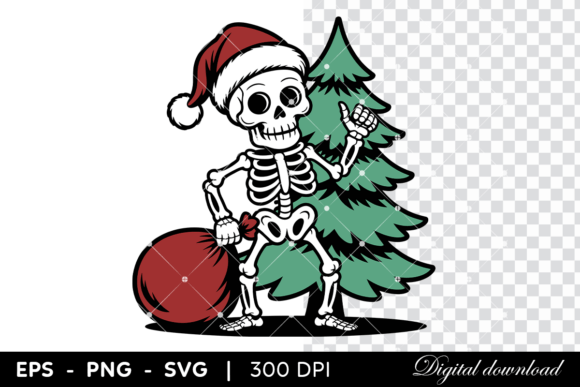
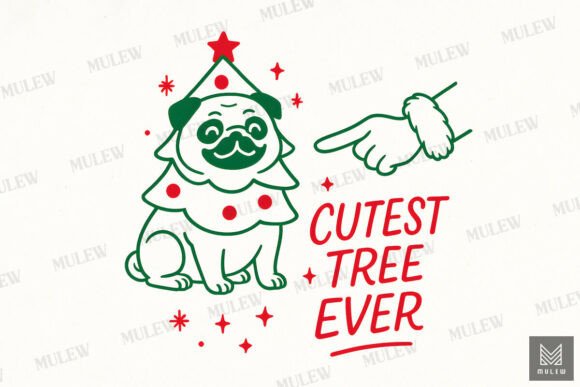
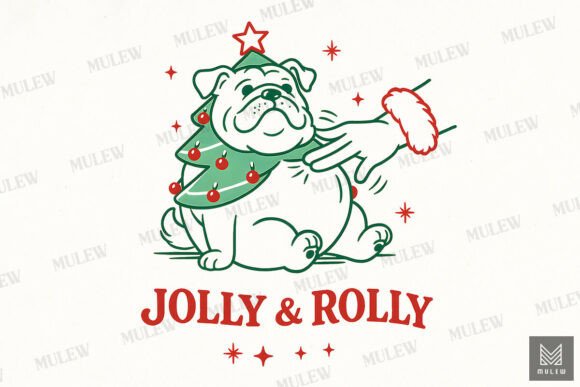
The moment you open the file, the layout speaks to a specific aesthetic. It avoids the chaotic, multi-character complexity that plagues many holiday designs. Instead, it relies on strong silhouettes and clear negative space. For an embroiderer, this is crucial. Complex illustrations often require excessive trimming and backstitching, which can lead to puckering or a messy back side. Christmas Tree T-Shirt Sublimation feels clean. It has a modern, graphic quality that suggests it was built with scalability in mind.
The mood is warm but restrained. It does not scream for attention; it invites it. This makes it incredibly versatile. It works equally well as a standalone focal point on a sweatshirt embroidery project or as a subtle accent on smaller accessories. The visual personality is professional enough for corporate gifts yet charming enough for handmade market stalls. It strikes that difficult balance between "commercial" and "artisan."
Real-World Application: From Screen to Stitch
To truly judge an embroidery file, you have to imagine it on fabric. I ran through several scenarios in my head before committing to a test run.
- Custom Apparel: On a heavyweight cotton hoodie, this design would anchor the chest area beautifully. The structure holds up against the bulk of the fabric. However, on thin t-shirts, one must be cautious about stabilizer choice to prevent distortion.
- Tote Bag Design: Canvas bags are a staple for craft business owners. The clean lines of this illustration translate well to natural burlap or heavy canvas. It looks like a tote bag design that customers would actually want to carry around town, not just use for grocery shopping.
- Baby Embroidery: For onesies or burp cloths, the simplicity is a safety feature. There are no tiny, fragile details that might snag or unravel after washing. It fits the baby embroidery niche perfectly, offering a timeless look that parents appreciate.
- Holiday Embroidery Projects: Whether it is a kitchen towel or a pillow cover, the theme is universally recognized. It serves as a holiday embroidery staple that doesn’t feel dated after January.
I also considered its potential as an applique design. If split into layers, the tree shape could work wonderfully with contrasting fabrics, adding texture to what might otherwise be a flat fill stitch block. This versatility adds value to the purchase, effectively giving you two designs for the price of one concept.
Where to Exercise Caution
No design is perfect for every surface. While Christmas Tree T-Shirt Sublimation is robust, there are specific contexts where it requires careful handling.
First, avoid placing this on highly textured fabrics like chunky knits or bouclé. The fabric texture will interfere with the satin stitch edges, causing them to look jagged or uneven. Similarly, stretchy jersey materials need a heavy-duty cut-away stabilizer; otherwise, the tree may warp during stitching.
Small hoop sizes present another challenge. If you attempt to digitize or scale this down too far, you risk losing the integrity of the running stitch details. Always inspect small details by zooming in 400% before hooping. If the resolution drops, the fine lines will merge into a muddy blob. Furthermore, on dark fabrics, ensure your thread colors provide sufficient contrast. A light-colored tree on a navy background might get lost if the thread colors are not chosen carefully.
Impact on Product Value and Brand Consistency
For Etsy sellers and small shop product creators, presentation is everything. Using a clean, well-proportioned design like this elevates the perceived value of your finished product. It signals professionalism. Buyers can tell the difference between a rushed, low-quality scan and a thoughtfully composed design assets package.
This design supports brand consistency. Because it is not overly ornate, it pairs easily with other elements. You can add monograms, dates, or simple borders without creating visual noise. This flexibility allows you to create a unified collection—perhaps matching aprons, hats, and tea towels—that looks cohesive on a shelf or in an online listing.
It also enhances giftability. A personalized item featuring a recognizable, aesthetically pleasing motif feels more thoughtful. Customers trust designs that look intentional. When a buyer sees a crisp, well-executed tree, they assume the rest of the garment or accessory was made with equal care. This builds long-term customer loyalty.
Practical Designer Notes for Implementation
Before you rush to your machine, follow these steps to ensure success:
- Test on Scrap Fabric: Never commit to a final piece without a test run. Check how the stitch density interacts with your specific fabric weight.
- Review Stitch Density: Ensure the design file (if provided as such) does not have overly dense areas that could cause needle breakage or fabric stiffness.
- Confirm Hoop Size: Verify that the design dimensions fit comfortably within your standard hoops, leaving room for any necessary text or additional graphics.
- Inspect Small Details: Look closely at corners and thin lines. Are they supported by adequate underlay stitches? Weak underlay leads to poor registration.
- Test Black and White Mockups: Convert the design to grayscale to check contrast levels. If it looks muddy in black and white, it will likely struggle in color.
- Check Licensing: This is critical for commercial embroidery. Confirm whether you have the right to sell finished items made with this design. Some digital embroidery file licenses restrict resale, while others allow it with attribution.
Ultimately, Christmas Tree T-Shirt Sublimation is a solid, reliable choice for designers looking to expand their holiday offerings. It respects the medium of embroidery by prioritizing clarity and structure over unnecessary complexity. Whether you are creating a single personalized gift for a friend or stocking shelves for the busy season, this design provides a trustworthy foundation. Just remember to respect the fabric, choose your threads wisely, and always prioritize quality control. In the world of handmade products, that attention to detail is what separates a hobbyist from a pro.